Read in



From AI overviews to options to ask AI follow-up questions through chat, online searching is no longer a linear journey. The search journey will continue to shift rapidly going into 2027. Customers are now experiencing AI search results that regularly include social media discussions, customer review analysis and the ability to narrow a search for more relevant brands and product recommendations.
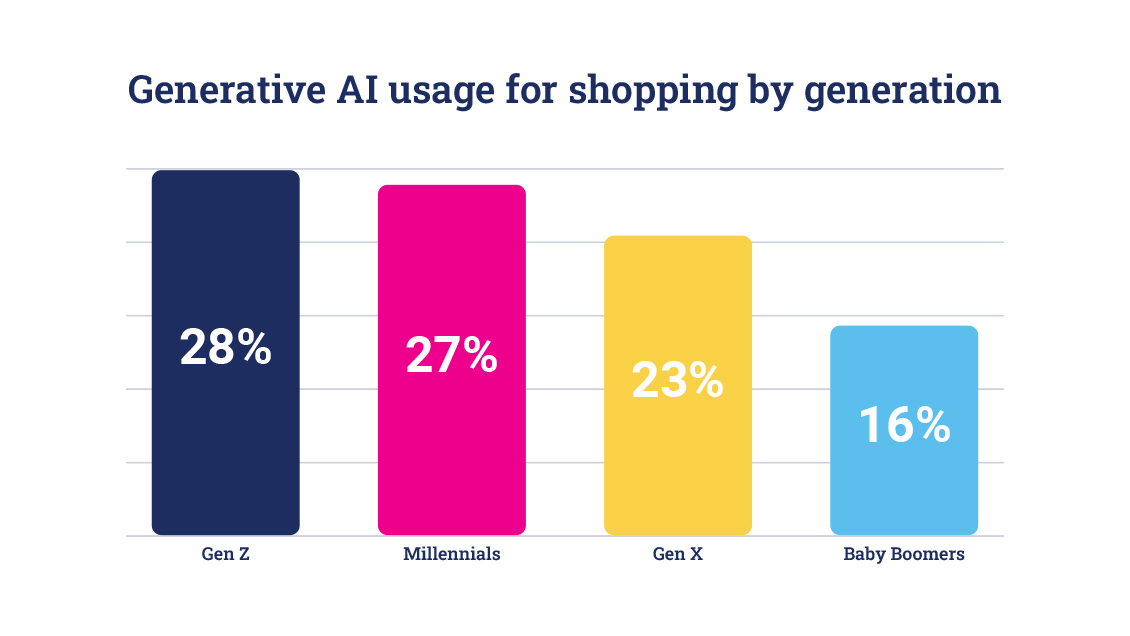
As a result, 28% of Gen Zers, 27% of Millennials and 23% of Gen Xers now report using generative AI tools, including AI-powered search, for shopping, according to a recent global study by McKinsey & Company. 1
There are substantial differences in brand and search recommendations across the largest AI models, but this may be partially due to inconsistency in how brands are developing their own AI recommendation profiles based on claims, benefits, use cases and more. 2
All signs point to AI search growing in the next 12 months. 2027 will see brands and marketers vying for consideration long before customers ever visit a brand’s website or web store. The following three AI search trends will have a powerful impact on brand strategy, content, media, and analytics in the rush to make the AI recommendation shortlist.
Trend 1: Search visibility is moving from rankings to AI shortlists
Search context plays a vital role in SEO (search engine optimization) with specific searches being more valuable to build a brand discovery strategy around than others. With AI search results and chats now inviting customers to provide additional context for their search queries, searchers are getting richer results and much more to go on than a list of blue links.
Some SEO category leaders may currently lack the elements necessary for AI to frequently recommend their brands. Websites must clearly communicate product attributes, benefits and evidence of success. Credible content that demonstrates how and when customers will benefit from a product or service gives brands a greater chance of joining the AI shortlist of recommendations.
SEO, AEO (answer engine optimization), GEO (generative engine optimization) and content strategies work together to improve the accuracy of AI-generated brand information. Building a comprehensive search strategy is essential to reach customers who are shifting to AI search and generative AI.
Search visibility takeaways
- AI visibility is becoming increasingly important for brands
- Content should be credible and clearly communicate product attributes, benefits and use cases
- Identifying the questions customers routinely search during different purchase phases is critical for AI visibility planning
Trend 2: Brand reputation is playing a major role in AI visibility
Making the AI recommendation shortlist is challenging. AI-generated answers can draw from multiple sources, including those outside of direct control of brands, such as third-party blogs, customer reviews, expert content and any existing content that references a particular brand.
In fact, according to McKinsey & Company, large language models cite that brand-owned websites represent just 1% of their sources. 1 Having a broader digital presence that extends to platforms like YouTube, Reddit, and industry publications can help strengthen your brand’s AI visibility.
The good news is many customers aren’t taking AI recommendations at full face value, with many continuing to research through traditional search, brand websites and social media after receiving an AI recommendation. 3 Maintaining brand credibility and consistency across AI results and branded website content will be critical in 2027 since issues such as outdated product information or questionable claims can impact confidence in the recommended results.
Brand reputation takeaways:
- Brand reputation is a coordinated marketing strategy, not just relegated to one area of marketing
- Comparing product benefits from AI results with brand website descriptions provides a baseline of how customers may experience recommendations
Trend 3: AI recommendation measurement is becoming a KPI
Until recently, traditional digital marketing performance metrics such as organic rankings, impressions, site traffic, engagement and conversions have been the primary KPIs brands monitored. But these measures don't capture the influence and exposure of AI search results that may not result in a website visit.
Customers can now see AI recommendations, compare alternatives and make a purchase without visiting the brand's website or store, so new metrics are needed to capture AI’s contributions, sales and conversions. With AI search expected to continue to see greater prominence in 2027, expanding measurement to evaluate AI visibility and citations, assisted conversions, brand mentions and citation accuracy can more clearly capture a brand’s performance.
AI recommendation measurement takeaways:
- Metrics should indicate which third-party websites and sources are included most frequently in AI search
- Comparing AI search recommendations with key competitors can help identify opportunities around unique differentiators
- Tracking accuracy is critical as credibility is still being defined across major AI search models
AI search is rapidly moving into the mainstream, with Google and Microsoft introducing new reporting measures to address citations and impressions within AI overviews, AI modes and experiences. Brand marketers need to establish an AI search baseline going into 2027 to identify content and reputation enhancement opportunities across AI search models.
At Trone, we can help audit your AI search presence and SEO to see how you could amplify your AI presence and increase your chances of making the AI recommendation shortlist. Contact us to discuss your marketing goals and how your brand compares with competitors through an AI Search Visibility Audit.
Sources: