Read in



The way patients find and choose healthcare providers is changing. While traditional Google searches, physician referrals and insurance directories remain important, artificial intelligence (AI), online reviews and digital convenience are reshaping the patient journey.
Patients are no longer simply searching for a doctor near them and scheduling an appointment with the first available practice. They are comparing providers, researching treatment options, reading patient experiences and increasingly using AI-powered tools to help narrow their choices. According to rater8's 2026 Patient Choice Report , 47% of surveyed patients have used AI to research healthcare providers, up from 31% in 2025.
For hospitals, specialty practices and healthcare organizations, this shift creates new challenges and opportunities. Understanding how patients search for healthcare providers in 2027 will be essential for improving online visibility, building trust, attracting new patients and gaining a competitive edge against other local organizations.
AI-powered search is transforming how patients find providers
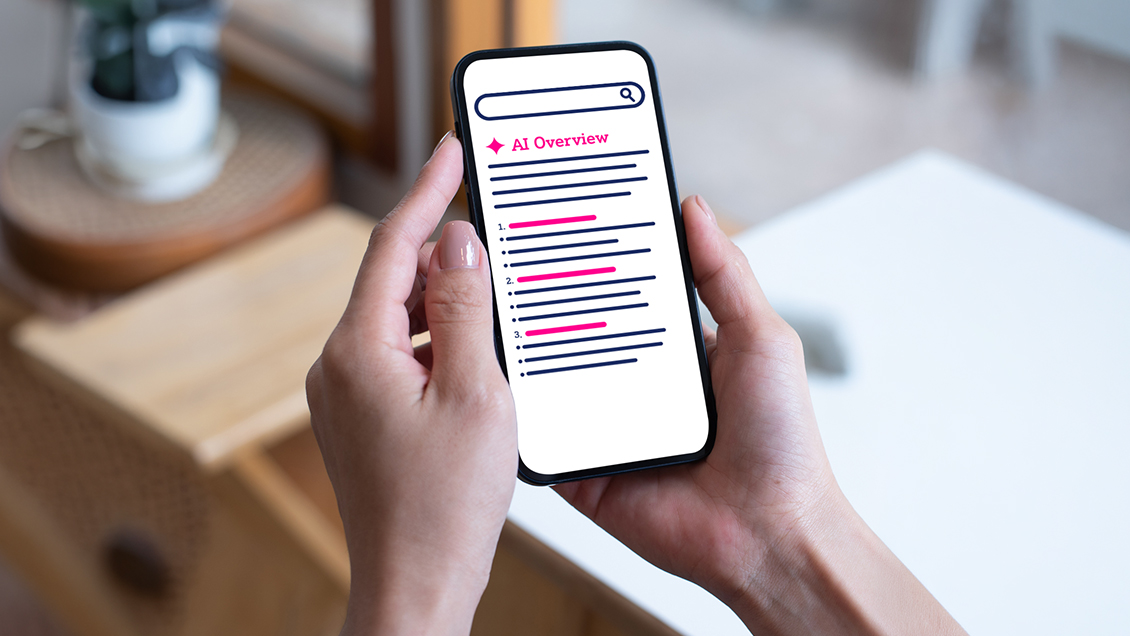
One of the biggest changes in healthcare search is the growing use of AI-powered platforms such as ChatGPT, Google AI Overviews, Google AI Mode and Perplexity. Rather than entering a short keyword phrase, patients can ask detailed, conversational questions about their healthcare needs.
For example, a patient might search:
- Who are the best orthopedic surgeons near me who accept Blue Cross Blue Shield?
- What should I look for when choosing a cardiologist?
- Which hospitals in my area specialize in minimally invasive surgery?
- Where can I find a highly rated dermatologist accepting new patients?
AI-powered platforms can help patients compare options, understand specialties and identify providers that may meet their needs. However, AI-generated recommendations can contain inaccurate or outdated information, making reliable provider information particularly important.
What this means for healthcare marketers
Traditional search engine optimization (SEO) remains important, but today’s healthcare organizations should also consider answer engine optimization (AEO) and generative engine optimization (GEO).
Healthcare companies can improve visibility across traditional and AI-powered search experiences by:
- Creating detailed physician profiles that clearly identify specialties, qualifications and areas of expertise.
- Developing helpful content answering common patient questions.
- Maintaining accurate information across healthcare directories and third-party websites.
- Using relevant structured data to help search engines understand healthcare services, locations and providers.
- Building credibility through authoritative medical content, professional credentials and trustworthy external references.
Healthcare organizations should also monitor whether their providers and services appear in AI-generated recommendations, not just traditional search rankings.
Local search remains essential for healthcare providers
Despite the growth of AI, local search continues to play a major role in how patients find healthcare services. Searches such as "primary care doctor near me," "urgent care open now" and "pediatrician in Charlotte" reflect patients who are actively looking for care.
Google Maps, local search results and Google Business Profiles help patients quickly evaluate nearby providers based on location, hours, reviews and contact information. In 2027, strong local SEO will remain an important part of healthcare patient acquisition strategies.
What this means for healthcare marketers
Healthcare organizations should make sure their local presence is accurate, consistent and useful. This includes optimizing Google Business Profiles, maintaining correct office hours, selecting appropriate business categories and keeping contact information current.
Multi-location healthcare organizations should also maintain dedicated location pages that clearly explain available services, accepted insurance plans, physician information and appointment options. The goal is not simply to appear in local search results. It is to provide enough relevant information for patients to confidently choose the organization.
Online reviews increasingly influence patient decisions
Patient reviews have become an important factor in healthcare provider selection. People looking for medical care want reassurance that a physician is knowledgeable, that staff members are helpful and that the overall experience will meet their expectations.
The influence of reviews extends beyond star ratings. Patients frequently look for specific details about communication, appointment availability, wait times and how they were treated by office staff.
According to rater8's 2026 research :
- 75% of surveyed patients require a provider to have at least a 4.0-star rating before booking.
- 55% have avoided booking or canceled an appointment because of online reviews.
- 66% say seeing a healthcare provider respond to reviews influences their trust.
These findings demonstrate why online reputation management should be a core component of healthcare marketing.
What this means for healthcare marketers
Healthcare organizations should establish consistent processes for requesting patient feedback, monitoring reviews and responding appropriately. Review requests can be incorporated into post-appointment communications, provided they follow applicable privacy rules and platform policies.
Responses should remain professional and protect patient privacy. Healthcare organizations should never disclose protected health information or confirm a patient relationship in a public response without appropriate authorization. Most importantly, marketing teams should work with operational staff to identify recurring complaints and improve the actual patient experience.
Positive online reviews often begin with positive experiences at the front desk and during scheduling, then continue throughout the appointment.
Patients are comparing providers across multiple platforms
The patient journey is rarely limited to a single search. A patient might discover a physician through Google, review their qualifications on a hospital website, check insurance coverage through a health plan directory and read patient feedback on Healthgrades before scheduling an appointment.
In a September 2026 survey, Zocdoc reported that 69% of patients searching for a new doctor check multiple sources.
What this means for healthcare marketers
Healthcare organizations need to think beyond their own websites when developing patient acquisition strategies. A healthcare organization's digital presence should be consistent wherever patients research care.
Important channels include:
- Google Search and Google Maps
- AI-powered search platforms
- Hospital and practice websites
- Healthgrades, Zocdoc and other provider directories
- Insurance provider directories
- Relevant social media platforms
Physician names, specialties, locations, credentials and accepted insurance information should be accurate across these sources. Inconsistent or outdated information can create confusion, reduce trust and cause patients to choose another provider.
Convenience and appointment accessibility still impact patient choice
Finding the right provider is only part of the patient journey. Patients must also be able to schedule an appointment without unnecessary frustration. Even if a healthcare organization has excellent physicians, strong reviews and prominent search visibility, a complicated scheduling process can still prevent patients from booking.
According to Press Ganey's 2025 consumer experience findings , 35% of surveyed healthcare consumers identified appointment scheduling as their top pain point. Patients increasingly expect convenient digital experiences, including mobile-friendly websites, clear appointment instructions and accessible online scheduling.
What this means for healthcare marketers
Healthcare websites should make it easy for patients to move from researching care to taking action.
Important improvements include:
- Prominent appointment scheduling buttons
- Simple, mobile-friendly appointment request forms
- Clear phone numbers and office contact information
- Accurate information about which insurance plans are accepted
- Easy-to-find physician availability
- Accessible website navigation and content
Healthcare organizations should also evaluate how quickly phone calls and appointment requests receive responses.
Digital marketing performance should not be measured solely by website traffic. Appointment requests, qualified patient inquiries and completed bookings provide a clearer picture of patient acquisition effectiveness.
Helpful, trustworthy healthcare content builds confidence
Many patient journeys begin before someone knows which provider or specialty they need. A patient experiencing knee pain might first search for possible causes, treatment options or signs that they should consult a specialist. Another patient might research differences between imaging procedures before choosing a diagnostic facility. These informational searches create opportunities for healthcare organizations to build visibility and trust earlier in the decision-making process.
However, healthcare content must do more than target high-volume keywords. Patients want information that is understandable, medically accurate and relevant to their concerns.
What this means for healthcare marketers
Healthcare organizations should develop content strategies around actual patient questions and the services they provide.
High-value content opportunities include:
- Condition and symptom education
- Treatment and procedure explanations
- Frequently asked questions from patients
- Physician expertise and specialty information
- What to expect before, during and after an appointment
- Insurance, referral and scheduling guidance
Content should be reviewed by qualified medical professionals when appropriate and clearly communicate the organization's clinical expertise. Direct answers, descriptive headings and clearly organized information can make content easier for both patients and search systems to understand.
Healthcare marketers should measure visibility beyond rankings
As patient search behavior becomes more fragmented, traditional SEO metrics alone may not provide a complete picture of digital marketing performance.
A healthcare organization could maintain strong organic rankings while patients increasingly encounter its brand through AI-generated summaries, local listings or third-party directories. Some of these interactions may influence patient decisions without generating an immediate website visit.
What this means for healthcare marketers
In 2027, healthcare marketing measurement should combine traditional search performance with emerging AI visibility metrics and patient acquisition data.
Important areas to monitor include:
- Organic search traffic and rankings for priority healthcare services
- Google Business Profile visibility and interactions
- AI-generated brand mentions, recommendations and citations
- Online review volume, ratings and sentiment
- Appointment requests, calls and scheduling conversions
- Patient acquisition performance by service line and location
Healthcare organizations should also evaluate the quality of traffic and inquiries, rather than focusing exclusively on overall volume. The objective is to understand how digital visibility contributes to patient consideration, trust and ultimately appointment bookings.
Developing a powerful healthcare marketing strategy for 2027
For healthcare organizations, success in 2027 will require a comprehensive digital marketing strategy that combines SEO, AEO, local search optimization, reputation management and conversion-focused website experiences.
AI-powered recommendations may help patients discover providers, but local visibility, patient reviews, clinical expertise and convenient access to care remain critical to the decision-making process. The organizations best positioned to attract new patients will be those that make the next step toward receiving care simple and provide accurate, trustworthy information in all the places patients search.
At Trone, we help healthcare organizations strengthen their digital presence, improve search visibility and connect with patients throughout the decision-making journey. From traditional SEO to emerging AI search strategies, our healthcare marketing expertise helps organizations adapt and maintain momentum as patient expectations evolve.